
September 14, 2026
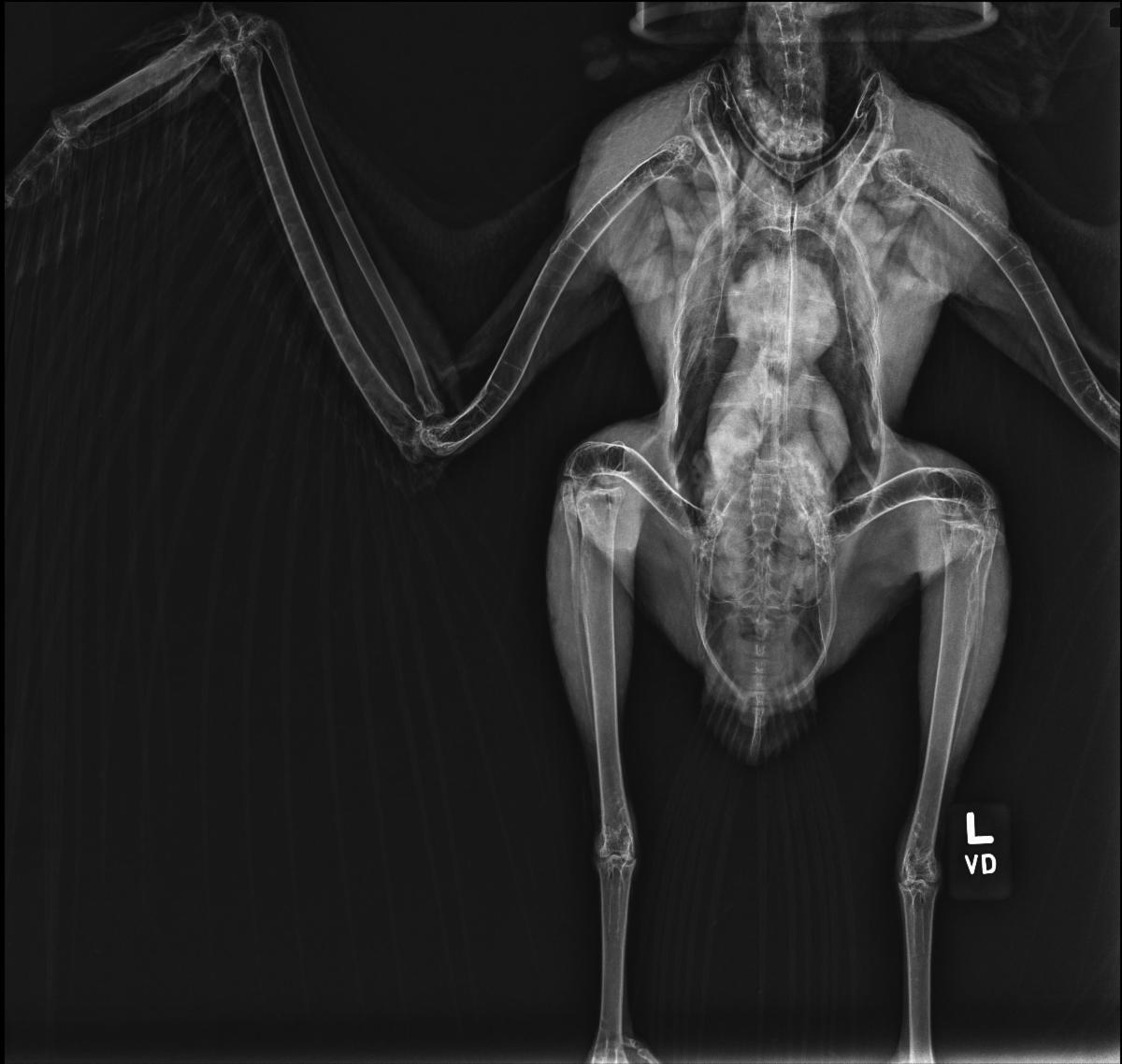
On August 14, a young black vulture arrived at our Raptor Hospital with plenty of personality, but one major problem: he couldn’t fly.
Patient #28120 was strong, feisty, and determined, but something was clearly wrong. After several diagnostic tests, including bloodwork, our hospital team discovered the culprit: lead poisoning.
Lead poisoning occurs when toxic amounts of lead build up in a bird’s body. Unfortunately, #28120 likely ingested lead fragments from game that had been shot with lead ammunition and left in the field.
When lead ammunition strikes game, it can fragment into tiny pieces throughout the meat. Scavengers like black vultures and turkey vultures can unknowingly consume those fragments while feeding. Once ingested, a bird’s powerful digestive system can break down the lead, allowing it to enter the bloodstream and cause serious illness.
And #28120 isn’t alone. Lead poisoning is an all-too-common threat to some of our most important scavengers. In the past year, our Raptor Hospital has treated nearly a dozen patients, including black vultures, turkey vultures, and bald eagles, for lead poisoning.
After several weeks of intensive care, including fluid therapy and chelation treatment to help remove lead from his body, #28120 is getting stronger every day. He’s now practicing his flight in one of our 100-foot flight enclosures, building up the strength and skills he’ll need for a return to the wild.
We’re hoping this feisty young vulture will soon be back where he belongs: soaring through the skies and doing what vultures do best, cleaning up our ecosystem!
How Can You Help?
Preventing lead poisoning starts with simple choices that can make a big difference for wildlife:
- Choose non-lead ammunition when hunting. This helps prevent lead fragments from being left behind in game that scavengers may eat.
- Use non-lead fishing tackle. Lead weights and tackle can enter waterways and may be consumed by fish and wildlife.
- Properly dispose of game remains. Bury or responsibly dispose of gut piles and other hunted-game remains so scavengers are less likely to encounter lead fragments.
- Spread the word! Share what you’ve learned with fellow hunters, anglers, and outdoor enthusiasts. The more people who know about the dangers of lead, the more we can do to protect the wildlife that keeps our ecosystems healthy.
More Success Stories:
Sep. 14, 2026
A Second Chance for a Young Black Vulture
Aug. 11, 2026
A Rare Arrival at the Raptor Hospital
Jun. 09, 2026
A Rare Rescue Begins to Take Flight
May. 28, 2026
First Hawk Chicks of the Season Arrive
Apr. 16, 2026
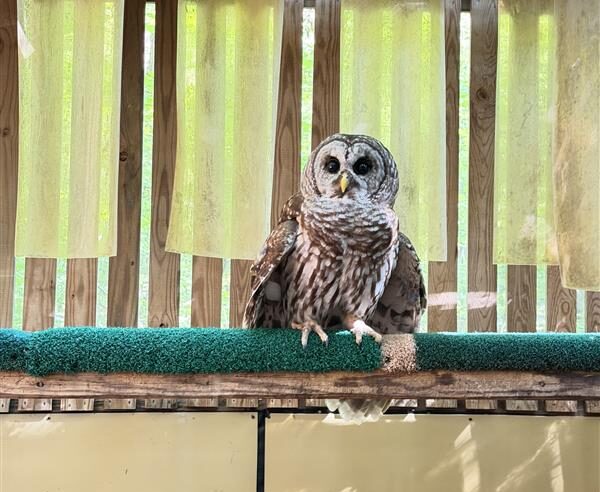
Two Barred Owls Saved from Chimneys
Feb. 11, 2026
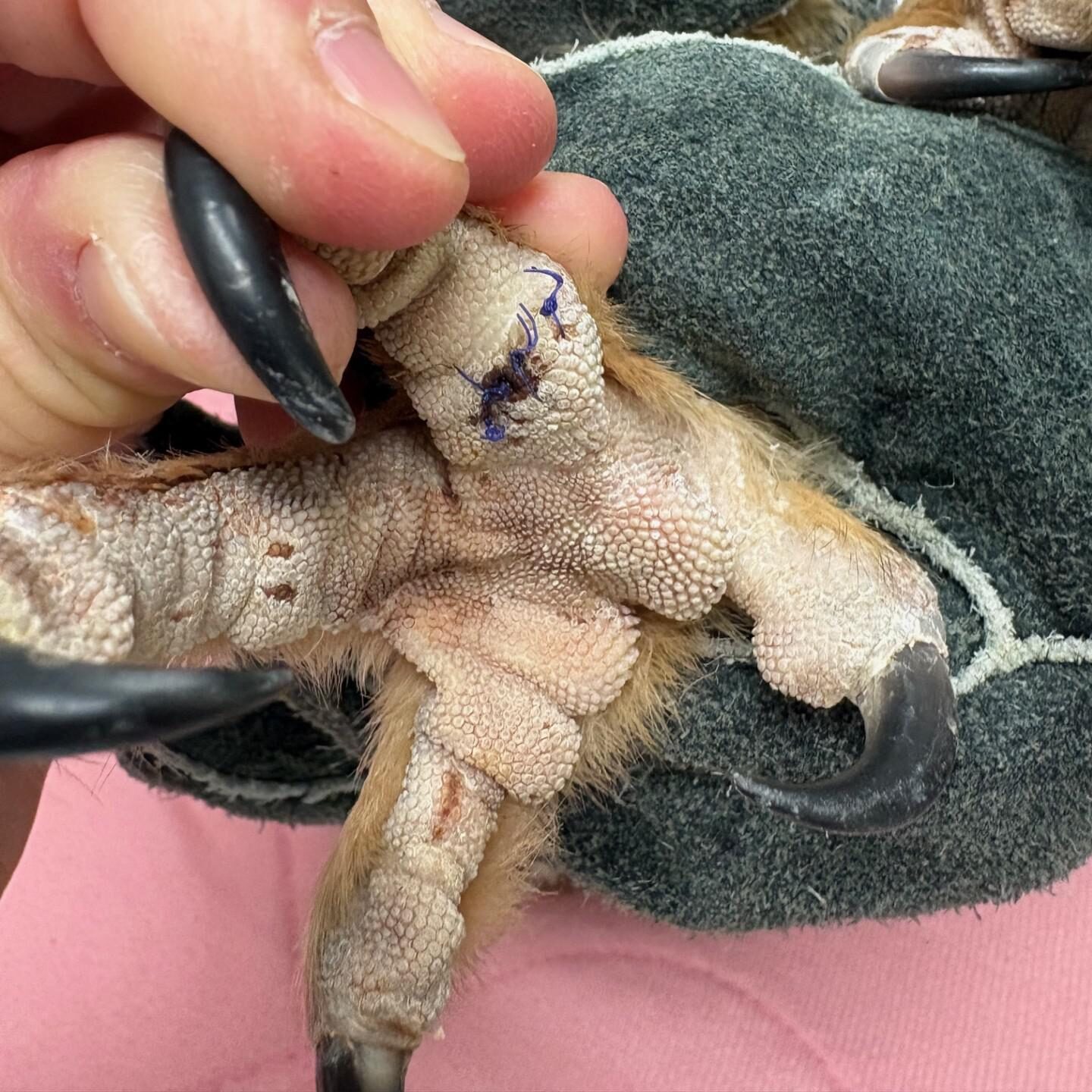
Owl Caught in a Fence
Jan. 13, 2026
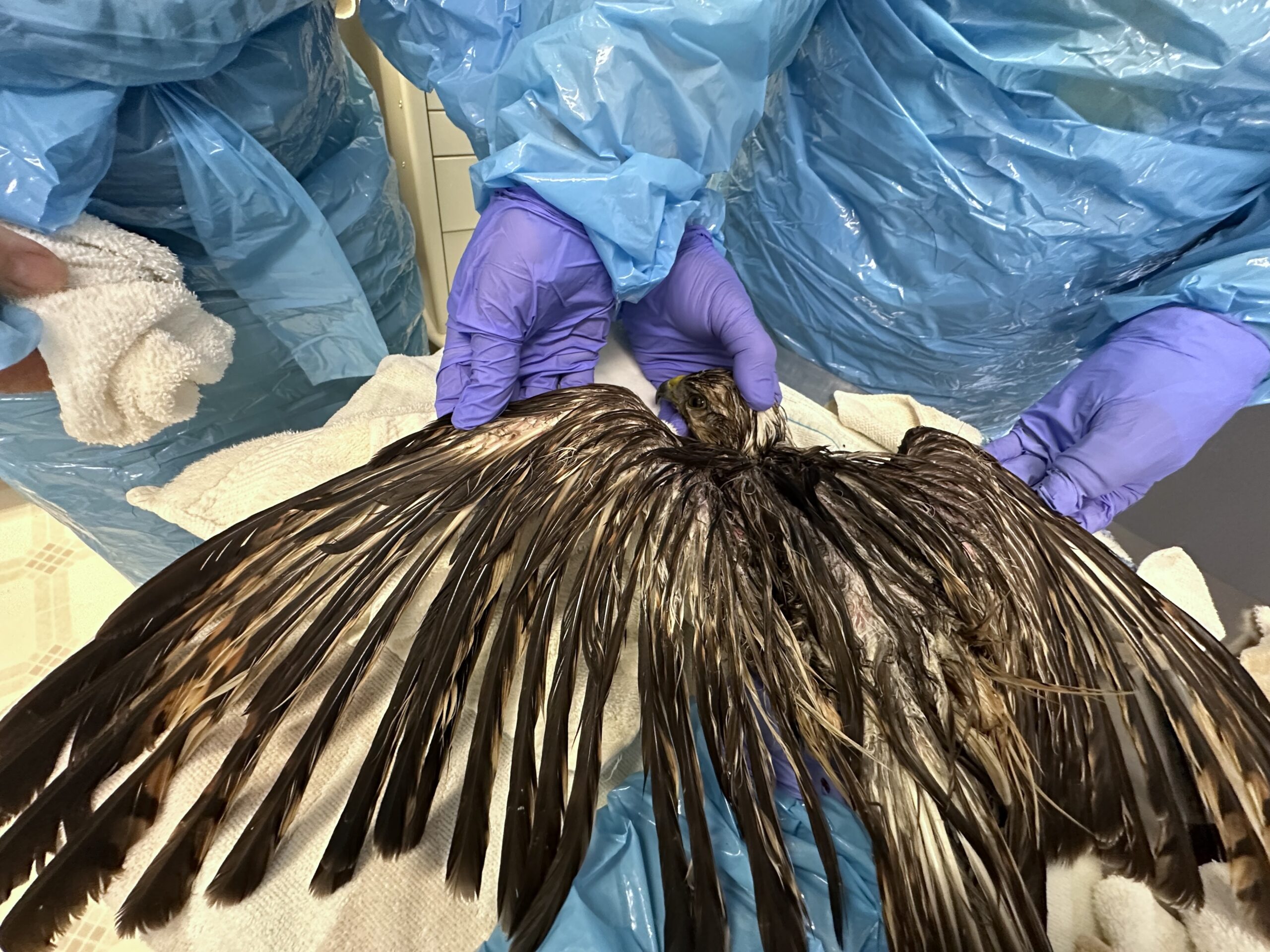
A Hawk Found at a Water Treatment Facility

Dec. 15, 2025