

July 7, 2025
A young Cooper’s Hawk, Patient #27146, was recently admitted to the Carolina Raptor Center’s Raptor Hospital after a concerned community member saw the bird struck by a vehicle in Charlotte. As urban areas like Charlotte continue to grow and traffic increases, car collisions have become the most common reason raptors are brought to our hospital.
Vehicle strikes often occur when raptors hunt near roadsides, where open areas make it easier to spot prey like mice and other small animals. Unfortunately, these same advantages put birds at risk of deadly or debilitating injuries when they fly low across traffic.
Fragile Feathers
During intake, our veterinary team found that the hawk was not only recovering from the trauma of the collision but was also severely underweight. The bird is now receiving fluids, a carefully managed diet, and supportive care to help them regain strength.
The team also noted several blood feathers – new, actively growing feathers – emerging from the bird’s tail. These feathers are vital for flight but extremely fragile while developing. To prevent accidental damage during recovery, staff applied a custom tail wrap made from tongue depressors, sturdy paper, and tape to protect these feathers until they fully mature.


Blood Feathers
Blood feathers, also known as pin feathers, are newly forming feathers with a live blood supply. While they’re growing, they’re sheathed in keratin (the same material as our fingernails) and are easily damaged. Because tail feathers play a crucial role in steering and balance during flight, protecting them during this vulnerable stage is essential to ensure the bird’s future survival in the wild.
Help Protect Raptors From Collisions
There are simple ways you can help reduce the number of vehicle-related raptor injuries:
- Slow down when you see birds near roadsides, especially in open areas where they may be hunting.
- Avoid throwing any food or litter out your car window. Even natural items like fruit peels can attract prey animals to the roadside, which in turn draws raptors into harm’s way.
Support Patient #27146’s Recovery
Thanks to the quick action of a caring citizen and the dedicated care provided by our medical team, Patient #27146 is now on the path to recovery. With continued treatment and rest, we’re hopeful this young hawk will return to the wild—strong, healthy, and ready to soar once again!
More Success Stories:
Jun. 09, 2026
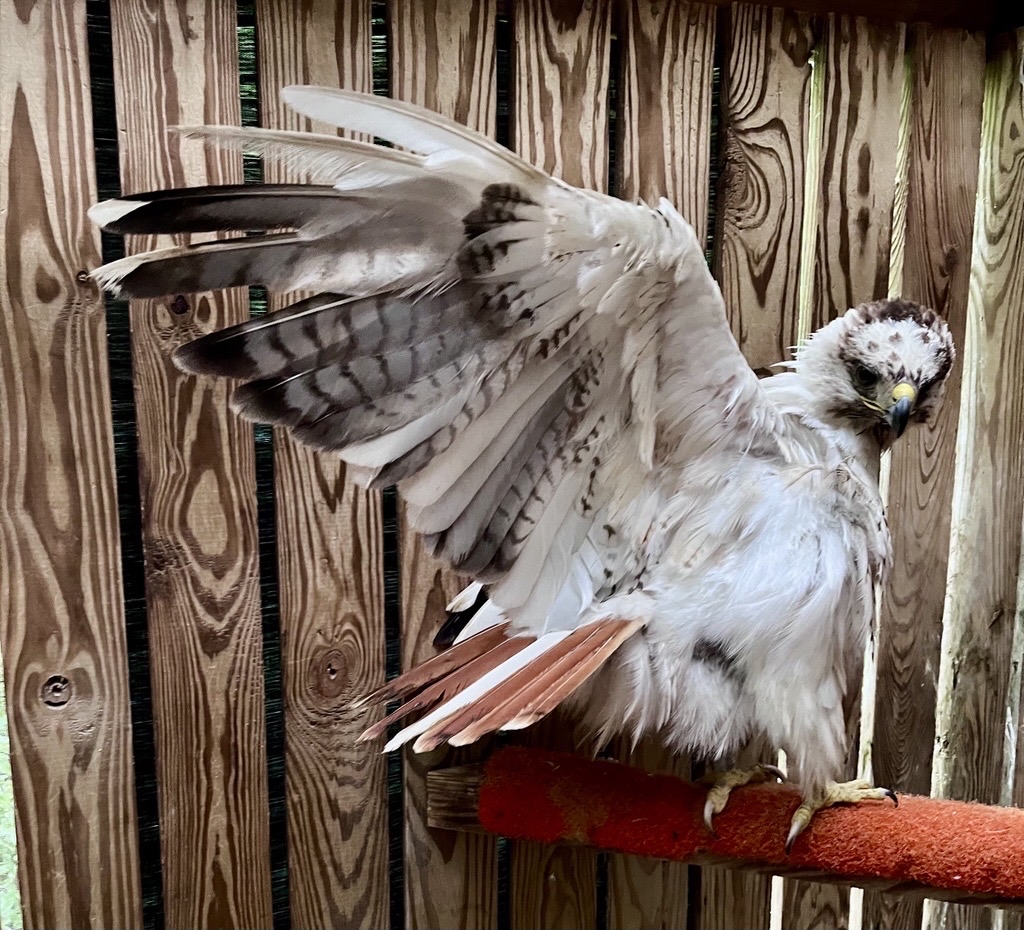
A Rare Rescue Begins to Take Flight
May. 28, 2026
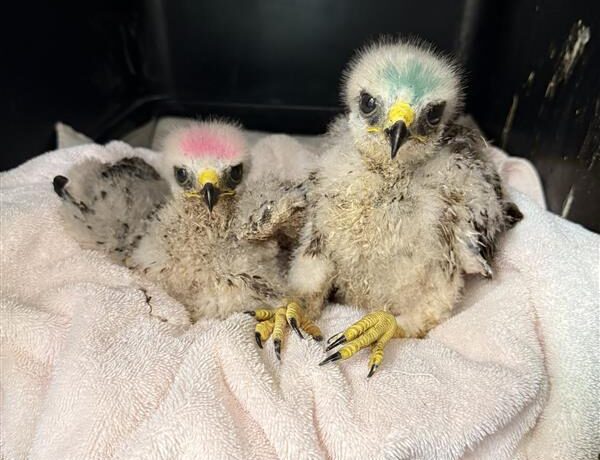
First Hawk Chicks of the Season Arrive
Apr. 16, 2026
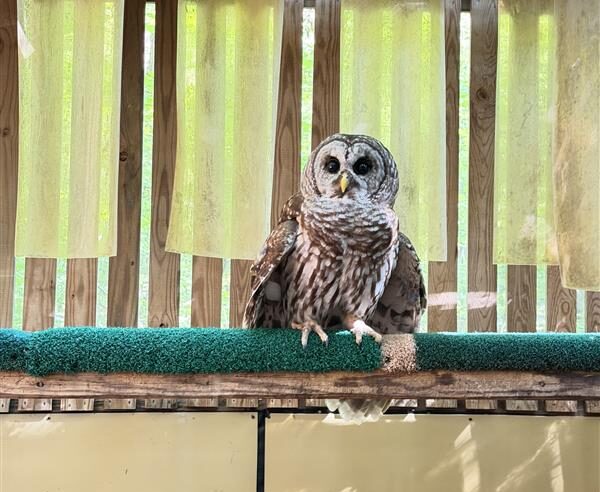
Two Barred Owls Saved from Chimneys
Feb. 11, 2026
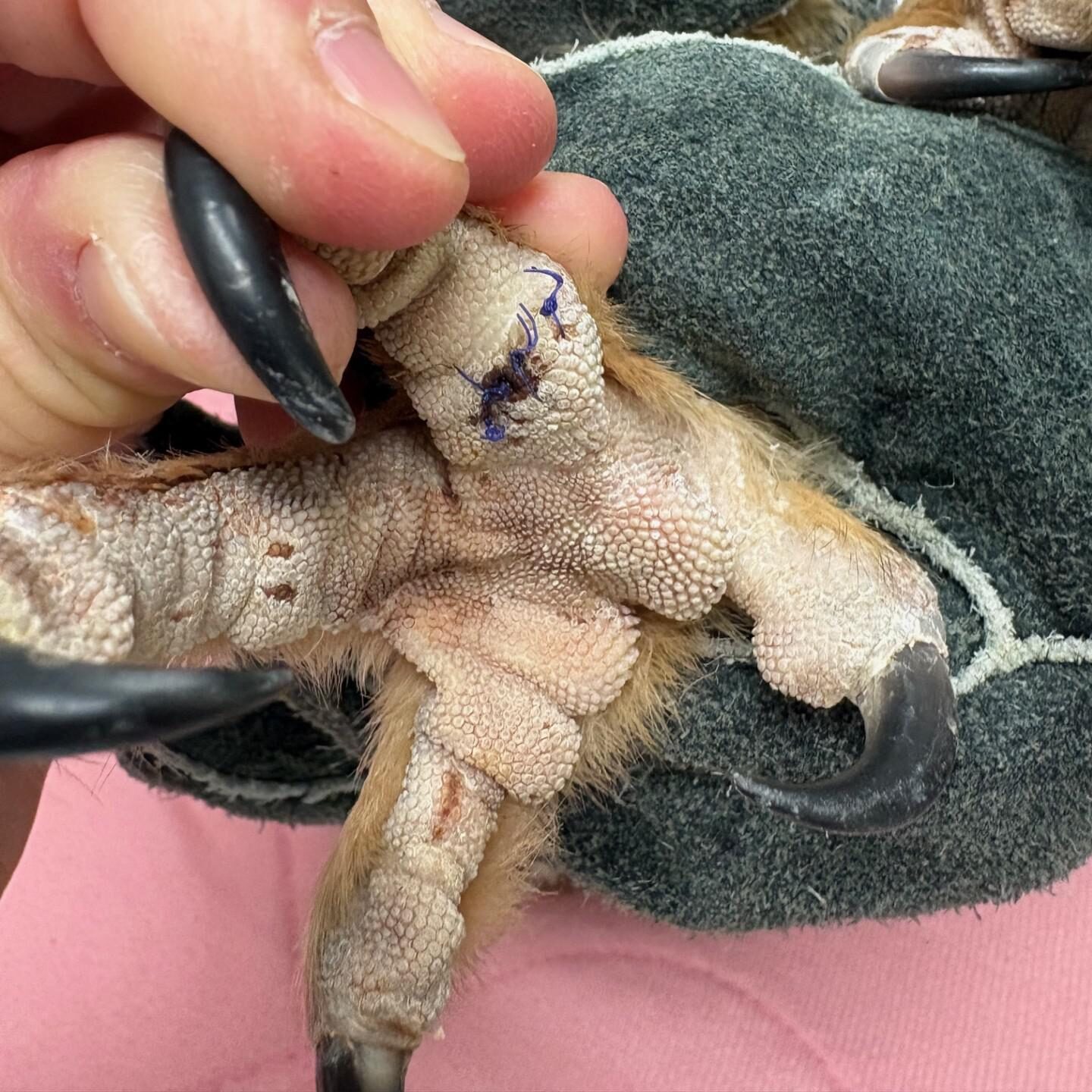
Owl Caught in a Fence
Jan. 13, 2026
A Hawk Found at a Water Treatment Facility

Dec. 15, 2025
A Leucistic Hawk Entangled in Fishing Line
Nov. 18, 2025
The Long Road to Recovery of a Red-Tailed Hawk
Oct. 13, 2025